Basement Waterproofing for Remodels, Storage Areas, and Living Spaces
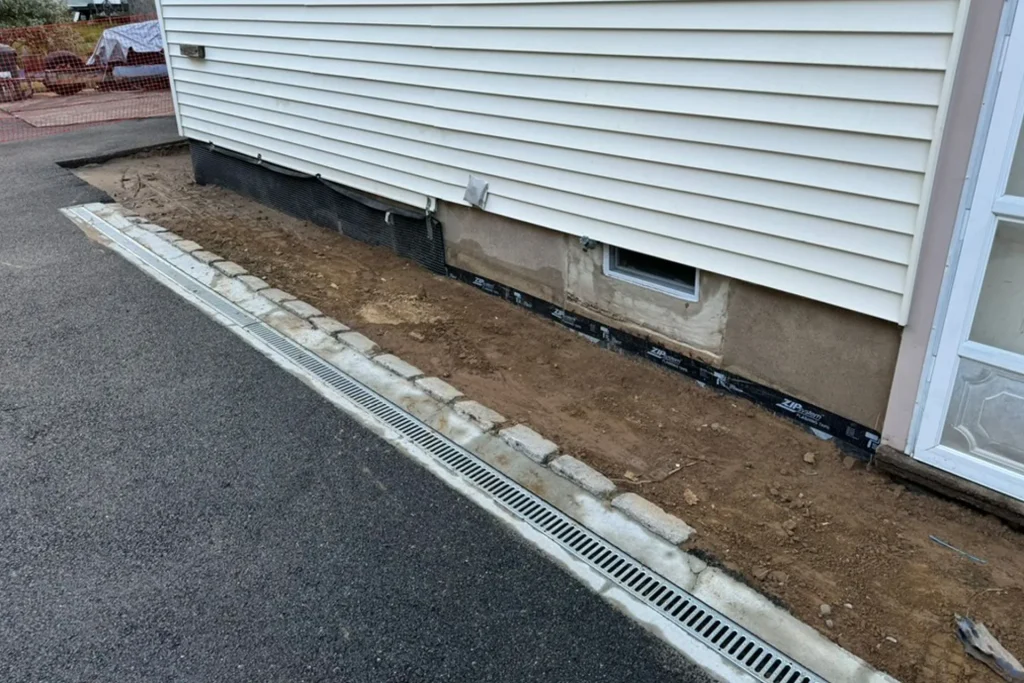
Basements ask more of a house than most people realize. They hold mechanical systems, support the structure above, and often serve as the overflow zone for everything a family cannot fit upstairs. Then, somewhere along the way, the basement gets promoted. What began as rough storage becomes a workshop, then a home gym, then a family room, guest suite, office, or rental unit. The problem is that water does not care what the room is called. A space can look finished and still behave like a damp foundation cavity if the underlying moisture issues were never addressed.
That is why basement waterproofing deserves serious attention before any remodel, before shelving goes up, and certainly before drywall, flooring, or trim are installed. I have seen homeowners spend tens of thousands on a beautiful lower level, only to tear out carpet, baseboards, and framing after one heavy storm. I have also seen the opposite: a plain, methodically waterproofed basement that stayed dry and usable for years, even through wet seasons that flooded neighboring homes. The difference usually comes down to understanding where moisture comes from, choosing the right fixes, and matching the system to how the space will actually be used.
A dry basement is not the same as a basement that rarely leaks
Many basements do not flood in the dramatic sense. They simply remain a little damp. The walls feel cool and clammy. Boxes develop a soft smell after a season. Paint blisters in a few spots. The dehumidifier fills quickly in summer. People live with this for years because there is no standing water across the floor.
For storage, those conditions are already risky. Cardboard weakens, fabric picks up odors, paper warps, and metal rusts. For remodeled or occupied spaces, that same low-grade moisture can be much more costly. Finished walls hide condensation. Carpet pads trap humidity. Wood trim swells. Mold can grow behind furniture long before it becomes visible. Waterproofing is not just about preventing a dramatic puddle after a storm. It is about controlling the full moisture load, including seepage, vapor, condensation, and humidity.
That distinction matters when planning a project budget. If someone tells me, “It only gets a little musty down there,” I do not hear reassurance. I hear a warning that the basement is already telling us how it behaves under seasonal pressure.
Where basement water problems usually begin
Water enters or affects a basement in more ways than one. Sometimes it comes through a wall crack or at the cove joint where the floor meets the wall. https://zandersdmx927.brightpathdigest.com/posts/the-role-of-french-drains-in-basement-waterproofing Sometimes the foundation itself is not leaking much at all, but indoor humidity is condensing on cold surfaces. In older homes especially, several small problems can combine into one persistent issue.
The most common cause is poor exterior water management. Roof runoff drops too close to the house. Gutters clog. Downspouts discharge beside the foundation. Soil slopes toward the walls instead of away from them. During a hard rain, the ground around the house saturates, hydrostatic pressure builds, and water looks for the easiest path inside. That path may be obvious, like a crack, or subtle, like moisture vapor passing through porous concrete.
Another frequent culprit is a high water table or seasonal groundwater movement. A basement can stay mostly dry for months and still become vulnerable during spring thaw or after back-to-back storms. In those cases, surface grading helps, but it may not be enough by itself. Interior drainage, sump systems, or exterior foundation waterproofing often become part of the conversation.
Then there is the issue people often underestimate: humid interior air. Basements stay cooler than upper floors. In warm weather, that coolness becomes a condensing surface. If outside air enters through open windows or humid indoor air circulates freely, moisture can form on ducts, pipes, walls, and floors. The result looks like leakage, even when liquid water is not entering through the foundation.
Waterproofing should match the basement’s purpose
A storage basement and a fully finished living area do not need the same level of protection, though both need more than a coat of waterproof paint. This is where project decisions get practical.
For a basic storage area, the goal is often reliability and humidity control. You want dry floors, manageable relative humidity, and no mold-prone corners. That may mean correcting grading, extending downspouts, sealing obvious cracks, installing a sump pump if needed, and using a dehumidifier sized for the square footage. Shelving should be raised off the slab, and sensitive items should go into sealed plastic bins rather than cardboard. It does not have to feel luxurious, but it does need to stay predictably dry.
For a remodel intended as a rec room, office, or guest space, the bar rises. People expect comfort, cleaner air, and materials that remain stable over time. That requires controlling bulk water and ambient moisture before finishes go in. The design should anticipate real basement conditions. I usually advise clients to avoid materials that fail badly when wet. Solid hardwood on a basement slab, for example, is asking for trouble in many climates. So is standard paper-faced drywall installed tight to a wall that still carries moisture. There are better assemblies for below-grade spaces, and choosing them up front is far cheaper than replacing them later.
For bedrooms, media rooms, or legal accessory dwelling spaces, the standard rises again because now the basement is not just being used, it is being occupied for long stretches. Comfort and health matter as much as dryness. Ventilation, insulation strategy, and humidity control become part of the waterproofing conversation, even if they are not waterproofing in the narrow sense.
What paint can do, and what it cannot
Waterproofing paints and masonry sealers have their place, but they are often oversold. If a basement wall has minor dampness from vapor transmission, a quality sealer may reduce surface moisture migration. If the wall has active seepage from exterior pressure, paint is not solving the problem. At best, it buys time. At worst, it traps moisture, peels, and gives the homeowner false confidence while damage continues behind finished surfaces.
I once walked through a basement where fresh bright white coating covered every foundation wall. It looked clean and reassuring. Two weeks later, after a period of rain, moisture pushed through at the floor joint, the coating bubbled in several areas, and a newly installed laminate floor had already started to cup at the edges. The product did exactly what coatings often do in that situation: it made a wet basement look finished for just long enough to complicate the real repair.
The broader lesson is simple. If water is coming under pressure, manage the water, do not just cover the symptom.
Exterior fixes often deliver the best value
Homeowners naturally focus on what they can see inside. The smarter first step is often to look outside. A surprising number of basement problems improve dramatically when exterior water is kept away from the foundation in the first place.
This is where practical field judgment matters. A house with short downspout extensions, negative grading, and flower beds piled against the siding may not need a full drainage system immediately. It may need thoughtful site work. Regrade the soil to slope away from the house. Extend downspouts well clear of the foundation. Keep gutters clean and properly pitched. Correct low spots where water ponds near walls. Check whether patios, walks, or driveway edges direct runoff toward the house.
Those measures are not glamorous, but they routinely produce the best return on money spent. They are also less disruptive than interior demolition or full exterior excavation. That said, exterior improvements are not always sufficient. If groundwater conditions are severe or the foundation waterproofing on an older home has failed, more substantial work may still be necessary.
Interior drainage systems and sump pumps
When water pressure cannot be reasonably reduced from the outside alone, an interior drainage system becomes a strong option. These systems typically collect water at the base of the foundation wall or beneath the slab and direct it to a sump basin, where a pump discharges it away from the house.
Done properly, this is not a patch. It is an active water management strategy. It accepts that water may reach the perimeter but prevents it from rising onto the floor or entering finished assemblies. In many retrofit situations, especially with limited exterior access, interior systems are the most practical answer.
Quality matters here. The basin should be sealed when appropriate. The discharge line should route water far enough away that it does not simply cycle back toward the foundation. A check valve is standard. Backup power deserves serious consideration, because storms and power outages often arrive together. If the basement will hold living space, valuable storage, or essential equipment, a battery backup or water-powered backup is often worth the added cost.
A basic set of questions helps separate a robust system from a minimal one:
- Where does collected water enter the system, and how is it filtered or managed?
- How far from the house does the discharge terminate?
- What happens if the primary pump fails during a storm?
- Will the finished wall system allow incidental moisture behind it to drain safely?
- Who services the pump, and how often should it be tested?
Those details are rarely exciting, but they decide whether the system performs when it needs to.
Finishing a basement without creating hidden moisture problems
A finished basement should be built to forgive small amounts of moisture, not pretend moisture can never happen. This is where many remodels go wrong. People copy above-grade wall assemblies and decorative choices into a below-grade environment that behaves differently.
Concrete walls and slabs store and release moisture slowly. Temperatures are cooler. Air movement is often limited. Flooring and wall systems should respect that reality. Rigid foam or other appropriate insulation against foundation walls can help control condensation and improve comfort when installed correctly. Stud walls may need to be held slightly off masonry depending on the assembly. Materials that wick water easily or feed mold readily should be used carefully, if at all.
Flooring deserves the same scrutiny. A basement slab can transmit moisture even when it looks dry. That is why testing and using the right underlayment matter. Some luxury vinyl systems perform well in basements because they tolerate occasional moisture better than wood-based products. Tile is durable, though colder underfoot without an insulating layer. Engineered solutions can work, but they must be chosen with the slab’s moisture behavior in mind, not just aesthetics.
If the basement is intended for frequent use, humidity control should be treated as permanent infrastructure, not a temporary add-on. In many homes, a dedicated dehumidifier tied to a drain is one of the smartest investments in the whole project. It keeps relative humidity in a healthier range and protects finishes during muggy months when the space would otherwise feel cool but damp.
Storage basements need a plan too
People often assume waterproofing only matters if they are building a polished living space. In truth, storage areas may be where prevention pays off fastest, because they tend to collect exactly the items that suffer most from moisture: keepsakes, documents, tools, seasonal fabrics, and archived household goods.
A dry storage basement is less about decor and more about sensible habits layered onto sound water management. Raise shelving off the floor so a minor incident does not become a total loss. Use plastic bins for vulnerable items. Leave a little air space between stored goods and foundation walls. Avoid overpacking corners where airflow is already poor. If the basement has ever had seepage, never store irreplaceable items directly on the slab, no matter how dry it has looked lately.
The irony is that unfinished storage basements often reveal water issues early because nothing hides the symptoms. Finished basements can suppress those clues until repairs are larger and more expensive. From a risk standpoint, a neat, visible storage setup in a well-managed basement can be safer than a fully finished room built over unresolved moisture.
When exterior excavation is the right answer
There are cases where patchwork is a waste of money. If a foundation wall has significant cracking, repeated seepage through multiple points, failed exterior coating, or chronic water entry despite improvements at the surface, excavation and full exterior waterproofing may be the durable fix.
This is not a small job. It can involve digging to the footing, cleaning and repairing the wall, applying a proper waterproof membrane, protecting that membrane, and installing or replacing footing drains. Landscapes, patios, porches, and access constraints affect cost and complexity. But when the conditions call for it, exterior work addresses the problem at the source in a way interior coatings never can.
The decision usually comes down to severity, access, and future use of the basement. If the space will become high-value living area, the argument for doing the foundational work thoroughly gets stronger. Nobody enjoys paying for excavation, but nobody enjoys tearing out a finished apartment after repeated moisture failures either.
Red flags worth taking seriously before a remodel
Some warning signs are obvious, like standing water after a storm. Others are easy to dismiss until construction starts and hidden conditions are exposed. Efflorescence on masonry, peeling paint, rusting metal columns or appliance bases, musty odors, dark staining along wall bottoms, and persistent dehumidifier use are all clues that moisture is active.
Hairline cracks are common in concrete and not always a crisis, but location and behavior matter. A stable, narrow shrinkage crack is one thing. A crack that widens, offsets, or leaks regularly deserves evaluation. The same goes for old patch repairs. A basement that has been “fixed” several times in the same area is telling you something.
One practical rule has saved many homeowners from regret: if there is any doubt, wait through a wet season before finishing the basement, or at least test the space under demanding conditions. It is much better to learn how the basement behaves in spring storms than after furniture and wall finishes are in place.
Costs, expectations, and why cheap fixes often become expensive
Basement waterproofing spans a wide price range because the causes vary so much. Cleaning gutters and adding downspout extensions is inexpensive. Regrading can be modest or substantial depending on the site. Crack injection, sump installation, interior drainage, and exterior excavation each sit at different cost levels. There is no honest single price that covers all basements.
What can be said with confidence is that partial fixes often cost more in the long run when they delay the proper one. Spending a little on diagnosis is usually wise. A contractor or waterproofing specialist who asks detailed questions about storm patterns, grading, pump discharge, humidity, finish plans, and prior repairs is usually doing better work than someone who proposes a miracle coating after a five-minute glance around the room.
It is also worth separating cosmetic improvements from protective improvements. Fresh paint, new flooring, and lighting make a basement feel transformed, but they do not create resilience. Resilience comes from drainage, moisture control, material choices, and maintenance. Those are the expenses that keep the nicer visible work from failing.
Choosing the right contractor and scope
Basement waterproofing sits at the intersection of foundation work, drainage, remodeling, and indoor air quality. That means scope can drift unless someone is thinking holistically. A remodeler may be excellent at framing and finishes but weak on moisture diagnostics. A waterproofing company may solve seepage but not advise well on finish assemblies. The best projects happen when those pieces are coordinated.
Before signing anything, ask how the proposed solution fits the intended use of the basement. A remedy suitable for storing holiday decorations may not be enough for a bedroom or home theater. Ask what problem the contractor believes they are solving, surface runoff, hydrostatic pressure, wall seepage, interior humidity, or some combination. If the answer is vague, the plan probably is too.
Look for a scope that acknowledges uncertainty honestly. Basement conditions can change with season and weather. Professionals who speak in absolutes about complicated water behavior make me wary. Good ones explain likelihoods, trade-offs, and what success should realistically look like.
Maintenance is part of waterproofing
Even a well-designed system needs attention. Gutters clog again. Downspouts get crushed by lawn equipment. Sump pumps age out. Dehumidifier filters load with dust. Exterior grading changes over time as mulch, planting beds, and settlement alter drainage patterns.
That does not mean the system failed. It means the house is still in service. A basement that stayed dry for five years because someone maintained the site and equipment was successful, not lucky. The owners who avoid trouble usually treat waterproofing as ongoing stewardship rather than a one-time event.
A sensible maintenance rhythm is straightforward:
- Inspect gutters and downspouts at least seasonally and after major storms.
- Test sump pumps regularly, especially before wet seasons.
- Keep stored items elevated and away from walls.
- Monitor humidity in summer and run dehumidification as needed.
- Watch for new staining, odors, or efflorescence and act early.
None of this is complicated, but neglect has a way of turning small vulnerabilities into expensive repairs.
Building confidence before the first sheet of drywall goes up
The strongest basement projects start with realism. Below-grade spaces are useful, comfortable, and often valuable when they are designed around how basements actually behave. Basement Waterproofing is not a decorative upgrade or a line item to rush through so the fun part can begin. It is the hidden framework that determines whether a storage room stays reliable, whether a remodel feels comfortable year-round, and whether a finished living space still looks good five winters from now.
If the space is still unfinished, that is an opportunity. Problems are easier to diagnose when the structure is visible. If the basement is already finished but has warning signs, resist the urge to keep covering them. Water usually wins those arguments. The better approach is to slow down, identify the moisture path, and choose a repair strategy that fits the basement’s real use.
A dry basement does more than protect materials. It protects options. It lets a homeowner convert square footage with confidence, store belongings without anxiety, and use the lower level as part of the home rather than a space that always carries a question mark after every hard rain. That confidence is what good waterproofing is really buying.
ARD Waterproofing
98 Smull Ave, West Caldwell, NJ 07006, United States
+1 917-691-8411
FAQ About Basement Waterproofing
Can you 100% Waterproof a Basement in West Caldwell?
A properly designed system can substantially reduce basement water intrusion, but no method can promise protection against every flood, equipment failure, or future change in site conditions. The first step is identifying whether moisture comes from surface runoff, groundwater, plumbing, or condensation. Solutions may include grading and gutter improvements, drainage, foundation repairs, and a sump system. Review the specific coverage and exclusions of any written warranty.
How much does it cost to professionally waterproof a basement in NJ?
There is no single price that fits every basement. Cost depends on the cause of the leak, the area needing work, access, excavation requirements, drainage design, sump equipment, and restoration of disturbed finishes or landscaping. Request an on-site assessment and an itemized written estimate that explains the scope, exclusions, and maintenance requirements before comparing proposals.
How long does foundation waterproofing last in West Caldwell, NJ?
Service life varies with the waterproofing materials, installation quality, soil and water conditions, and maintenance. Drainage components and pumps may require servicing or replacement even when other parts of the system remain functional. Keep gutters, drainage outlets, and sump equipment maintained, and have recurring leaks or changes in foundation condition assessed. Ask for product-specific expectations and written warranty terms rather than relying on one lifespan for the entire system.
Ends · DANTEVYXD233